




12 High Protein Meals for Muscle Gain
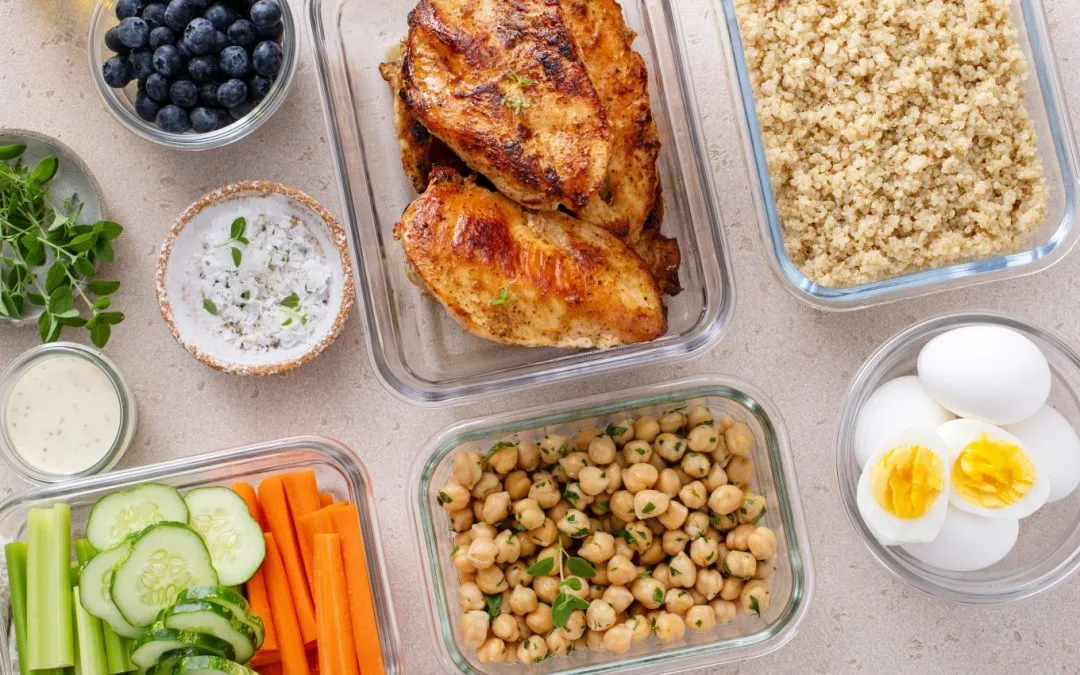
If you’re aiming to build muscle, one of the most important factors outside your training program is your nutrition—specifically your protein intake. Whether you’re a personal trainer guiding clients, an athlete chasing performance gains, or someone looking to improve your physique, understanding what makes an effective high-protein meal can make a significant difference in your results.
At its core, a high-protein meal for muscle gain provides enough quality protein to support muscle repair and growth. To truly support muscle growth, it’s essential to hit your daily protein target consistently—ideally 1.6 to 2.2 grams of protein per kilogram of body weight, spread across meals and snacks.
High-protein meals for muscle gain provides the amino acids needed to stimulate muscle protein synthesis and promote recovery after training. But beyond the numbers, the right protein-rich meals can also support satiety, aid fat loss, and help you recover faster between sessions.
This blog will explore a range of high-protein meals for muscle gain, with practical options for every lifestyle and dietary preference. From quick and easy breakfasts to post-training dinners, and from vegetarian options to meal prep solutions, you’ll find guidance on how to structure your meals to align with your training goals. We’ll also answer common questions like “what is a high-protein meal?” and discuss how to combine protein with carbs and fats for optimal performance.
We know that one of the biggest challenges is making high-protein eating sustainable. That’s why we’ll also include tips for budget-friendly choices, low-calorie high-protein options, and meals that can be prepped in advance to save you time during the week.
Want to learn how much protein you should be eating? Read our guide: How Much Protein Should I Eat to Gain Muscle.
Looking for tailored support? Explore our Bespoke Nutrition Coaching service to get a personalised plan based on your goals.
The role of high protein meals for muscle gain
Protein quality plays a crucial role in muscle repair and growth, especially for active individuals. Animal-based proteins are considered complete proteins because they contain all nine essential amino acids in optimal ratios. These proteins are also highly digestible and rich in leucine, a key amino acid that directly stimulates muscle protein synthesis.
Plant-based proteins, like beans, lentils, and grains, are typically incomplete, meaning they lack one or more essential amino acids or provide them in lower quantities. This can make it more challenging for vegans to meet their muscle-building needs through whole foods alone. However, by combining different plant sources, individuals can still achieve a complete amino acid profile over the day.
Bioavailability is another factor to consider. Animal proteins are generally absorbed and used more efficiently by the body, while plant proteins may require higher overall intake to match their effects. Fortified or blended plant-based protein powders, such as pea protein powder, can help bridge this gap. Additionally, vegan-friendly essential amino acid drops are available and can be added to food or drinks to help ensure adequate intake, particularly of leucine and other key amino acids.

These high-protein breakfast options will get your day started right with balanced macros, high satiety, and plenty of protein for muscle gain.
Meal 1: High protein yoghurt bowl
Breakfast, vegetarian: 329 calories, 41g protein
- 200g low-fat Greek yoghurt
- 1 scoop vegan protein powder
- 50g mixed berries
- 15g chia seeds
- 1 tsp maple syrup
To make this meal vegan, you can substitute the Greek yoghurt with a soy yoghurt, and the whey protein powder with a vegan protein powder.
Meal 2: Breakfast wrap
Breakfast: 525 calories, 46g protein
- 2 eggs
- 2 chicken sausages
- 1/4 tin of baked beans
- High protein wrap
Meal 3: Vegan smoothie
Breakfast, vegan: 370 calories, 28g protein
- 1 medium banana
- 1 scoop vegan protein powder
- 1 tbsp peanut butter
- 300ml unsweetened almond milk
- 1 tbsp chia seeds
- Ice cubes
High protein lunch options

These high-protein lunch ideas are perfect for meal prep, making for a nutritious weekday lunch.
Meal 4: Tuna pasta salad
Lunch, Pescatarian: 568 calories, 45g protein
- 100g wholewheat pasta
- 1 tin of tuna (100g)
- 30g light mayo
- 50g cherry tomatoes
- 30g sweet corn
- 10g olive oil
Meal 5: Chicken burrito bowl
Lunch: 605 calories, 53g protein
- 150g chicken breast
- 75g cooked brown rice
- 50g black beans
- 50g guacamole
- Diced onions
- Drizzle salsa
High protein dinner ideas

These high-protein dinner options combine quality protein, healthy fats, and carbs for a satiating evening meal.
Meal 6: sweet potato beef bowls
Dinner: 500 calories, 58g protein
- 150g 5% beef mince
- 100g sweet potato
- 100g steamed broccoli
- 100g cottage cheese
Meal 7: Salmon and quinoa with pesto
Dinner, Pescatarian: 600 calories, 40g protein
- 120g salmon, grilled
- 75g cooked quinoa
- 50g green peas
- 1 tbsp pesto
Meal 8: Firecracker chicken with potatoes and green beans
Dinner: 620 calories, 40g protein
- 150g chicken breast
- 2 tbsp sriracha sauce
- 2 tbsp soy sauce
- 1 tbsp ketchup
- 1 medium potato
- 100g green beans
Meal 9: Tofu and edamame stir fry
Dinner, Vegan: 500 calories, 32g protein
- 150g extra firm tofu
- 100g edamame
- 100g stir-fry veg mix
- 1 tsp sesame oil
- Stir-fry sauce packet
Meal 10: Creamy pasta
Dinner, Vegan: 630 calories, 42g protein
- 100g red lentil pasta
- 100g white beans
- 85g cherry tomatoes
- Garlic and parmesan
- White onion
Meal 11: Thai red cod curry
Dinner, Pescatarian: 580 calories, 42g protein
- 150g cod
- 100ml coconut milk
- 100g green beans
- 50g uncooked brown rice
- Tbsp red curry paste
Meal 12: Turkey mince spaghetti bolognese
Dinner: 500 calories, 42g protein
- 150g lean turkey mince
- 100g wholewheat pasta
- 1/2 white onion
- 1 small carrot, 40g mushrooms
- 100g tinned chopped tomatoes
- 1 tbsp tomato puree
Eating for muscle gain doesn’t need to be complicated. The most important principle is consistency—consistently training hard and consistently fuelling your body with the nutrients it needs to recover and grow. High-protein meals are a cornerstone of this approach, and once you get into the rhythm of planning and preparing them, they become second nature.
Throughout this blog, we’ve shown that high-protein meals don’t have to be boring, expensive, or time-consuming. Whether you’re eating animal products or following a vegetarian approach, whether you’re prepping your meals in bulk or cooking fresh every day, there’s a way to meet your protein targets that works for you.
Optimise nutrition for muscle gain today
For PTs and coaches, helping clients build confidence in the kitchen is a game-changer. When clients understand the “why” behind their meal structure and learn how to prep meals ahead of time, compliance and results both improve. Encourage clients to treat meal prep not as a chore but as a strategy for success.
To get the full picture, read our companion blog: How Much Protein Should I Eat to Gain Muscle.
Ready to take it further? Our Bespoke Nutrition Coaching helps you translate the science into results with a plan tailored to your goals, training load, and lifestyle.